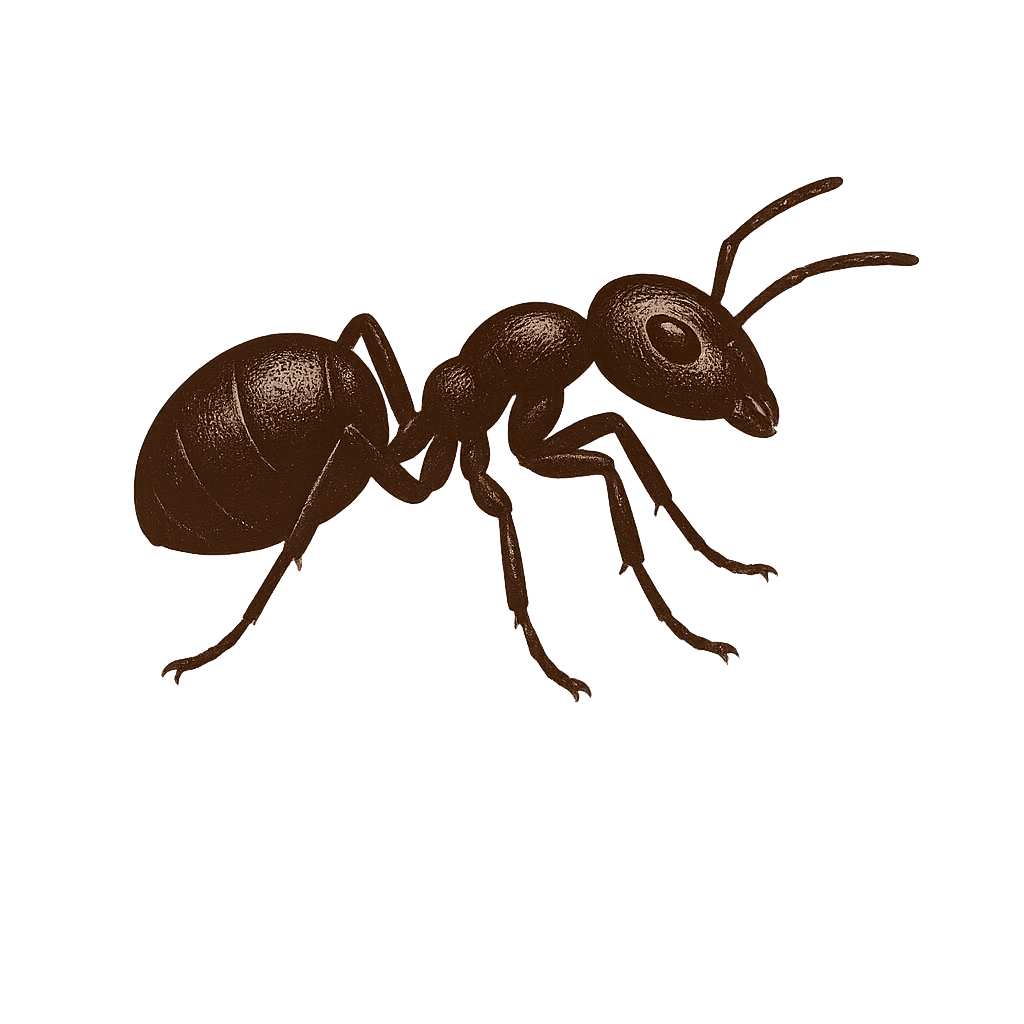
Amazon Ant
Polyergus refescens
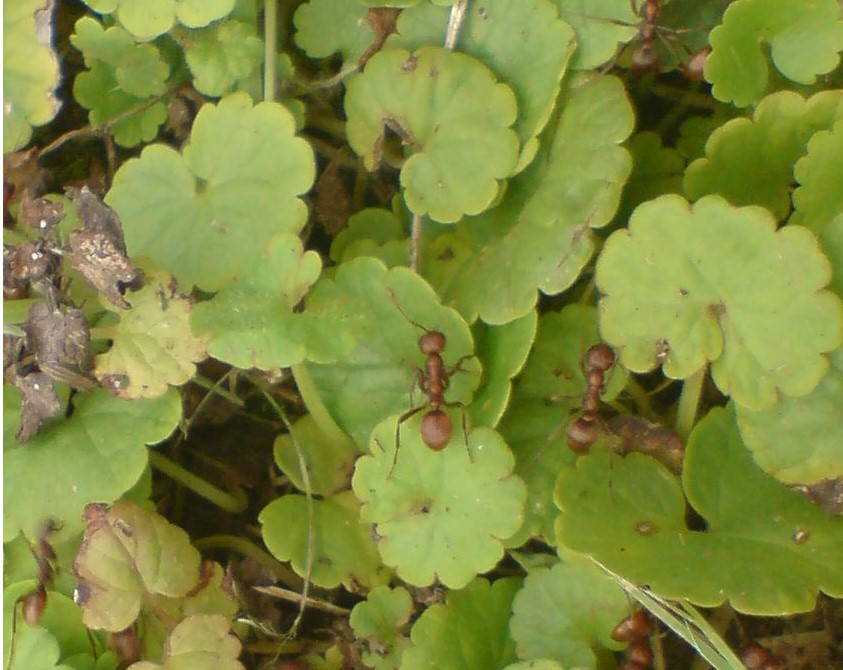

- Color: brown
- Worker size: 7-8 millimetres
- Colony size: depends
- Queen: 10 millimetres, claustral, polygyne
Introduction
The amazon ant, not to be confused with the giant amazonian ant, is one of the species of slave maker ants. They are in the polyergus family. They are unique as they don’t have majors, just males, queens, and workers. The workers are around 7 or 8mm large. The queens are slightly bigger at 10mm while the males are around 6-7mm large. Their colony size can vary a lot depending on how successful their colony raids are.
Unique Traits
Lunatic Conquerors
The amazon ant is a type of ant that utilizes slavery to build their colonies. The entirety of their colony depends on their slaves. These slave maker ants have evolved to be so dependent on slaves that they have lost the ability to feed themselves. Think about that. Imagine literally forgetting how to eat by yourself because other people feed the food to you. Not only have ants discovered agriculture millions of years before humans did, they have also discovered the arts of freelancing and laziness.
Defences
When a polyergus rufescens nest is attacked, as usual, the slaves do the fighting. The slaves even fight their own colonies. If an amazon ant is forced to fight, however, they do have sharp mandibles that they can use to defend themselves if they are being attacked and they have no choice. They expand their colonies by invading other ant colonies and getting slaves from there. They do this by charging into the nest, using a chemical to disorient the enemy colony, stealing their brood, and brainwashing them and turning them into slaves.
Habitat & Diet
The Amazon ant actually lives in Europe, not the Amazon rainforest. They live in sparse grasslands and plains. They raid other colonies in order to steal brood and larvae, and then hatch them in order to make them slaves. They eat honeydew, protein rich foods, and many more. They can’t hunt or forage as the behaviour of them letting slaves do the work led to forgetting how to do so.