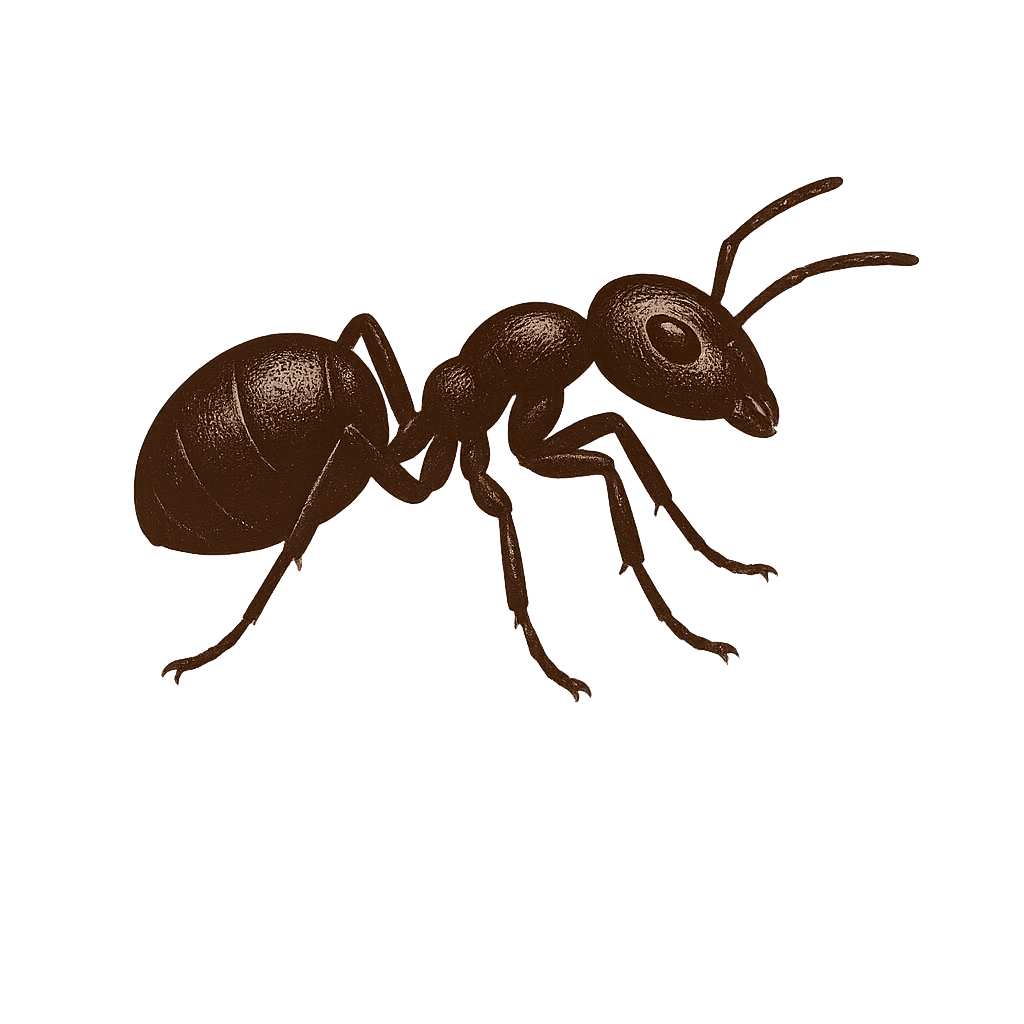
Dinosaur Ant (Dawn Ant)
Nothomyrmecia macrops
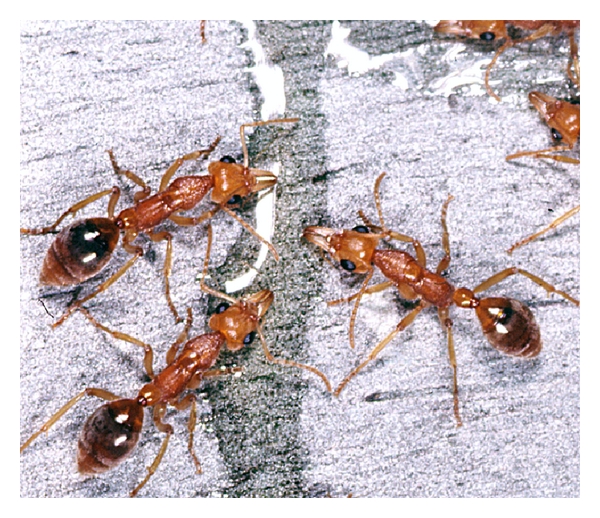

- Color: Orange, brown, yellow
- Worker size: 9.7-11 millimetres
- Colony size: 50-70
- Queen: similar in size to workers, claustral, monogyne, sometimes pleometrosis
Introduction
The Dinosaur ant (aka Dawn ant) is the oldest species of non-extinct ants that scientists know about. They are on the brink of extinction because they are critically endangered. Wasps are also more closely related to this species than any other ant species currently alive. This species of ants is very independent and likes to forage and do tasks alone, including caring for the brood. These ants are 9.7-11 mm long and are yellowish-orange and red. The Dinosaur ant queen only lays one generation of eggs (which means she only lays one wave of eggs, so if all the workers die, the queen is doomed)!!!
Unique Traits
Climate Change Extinction
Dinosaur ants are very special - they don’t forage for food unless the temperature at dusk is 5° C or lower. They sometimes even return home with a temperature of -1° C! If climate change continues, the dinosaur ant might be extinct. They also tend to forage in trees, which means that in forest fires, all the foraging ants could be lost, which would be a major crisis. A theory of why then tend to prefer cold weather is to avoid predators. Meat ants (Iridomyrmex spp.) are diurnal and sometimes out on warm nights. These ants are known to aggressively attack Dinosaur ants. Another idea is that it is easier to catch prey during cold nights, as some insects enter torpor.
Defences
Nothomyrmecia Macrops has a long stinger that can be pulled in. Their sting could immobilize their prey. They also forage on cold nights to avoid predators like other ants.
Habitat & Diet
These ants hunt and bring back food by using their stinger to immobilize the prey. They will also seek liquid food. These ants usually come out to forage at dusk, and remain searching treetops for the rest of the night. This species is native to Southern and Southwestern Australia. It lives in the Malle and Eucalyptus Woodlands.
Sources:
- hhttps://notability.com/g/download/pdf/2NjFKfbK83ieF2OcMIqeC3/Dinosaur%20ant.pdf
- https://theconversation.com/australian-endangered-species-dinosaur-ant-21603#:~:text=Dinosaur%20Ants%20live%20in%20colonies,food%20for%20the%20carnivorous%20larvae.
- https://antmaps.org/?mode=species&species=Nothomyrmecia.macrops
- https://kids.kiddle.co/Dinosaur_ant#:~:text=The%20Nothomyrmecia%20has%20a%20long,macrops%2C%20winged%20male
- https://www.youtube.com/watch?v=KQUkaKuFXJ0
- https://pubmed.ncbi.nlm.nih.gov/17743619/
- https://pictureinsect.com/wiki/Paratrechina_longicornis.html