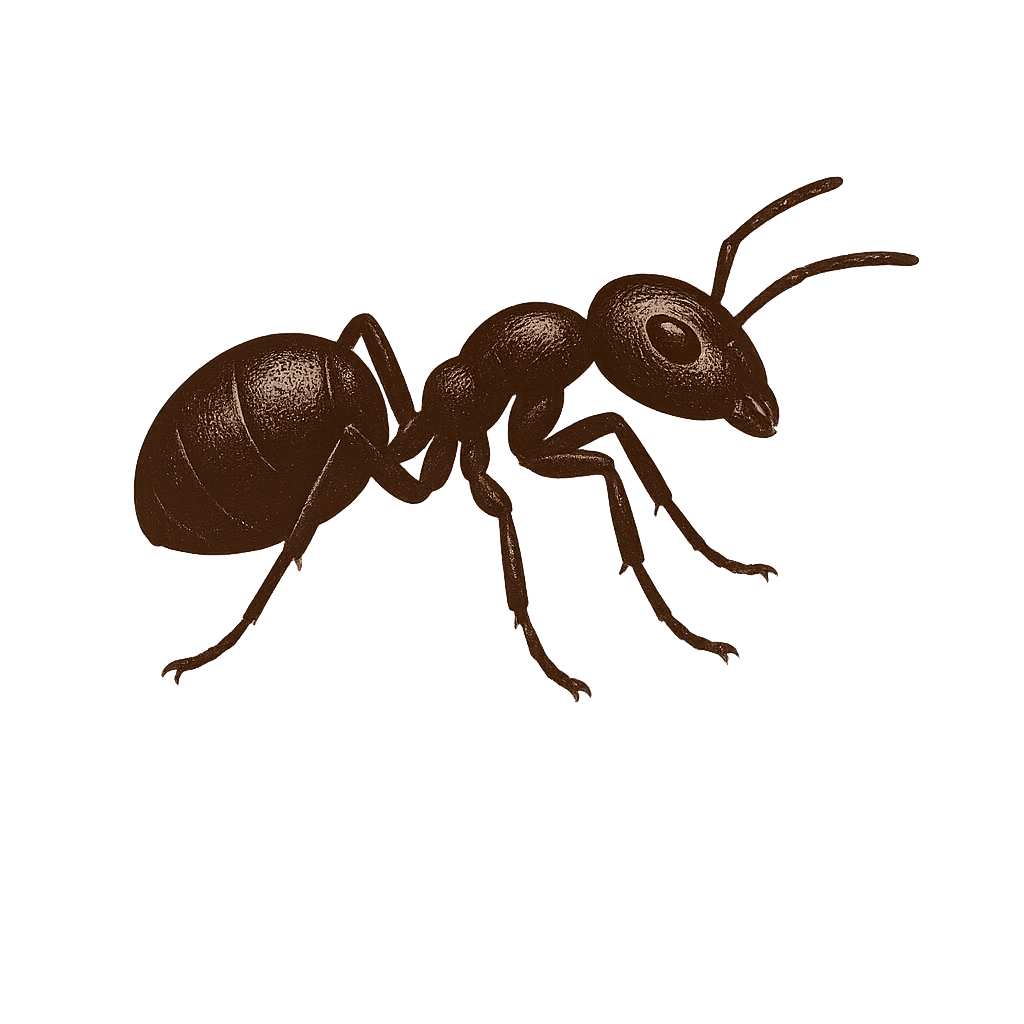
Electric Ant
Wasmannia Auropunctata
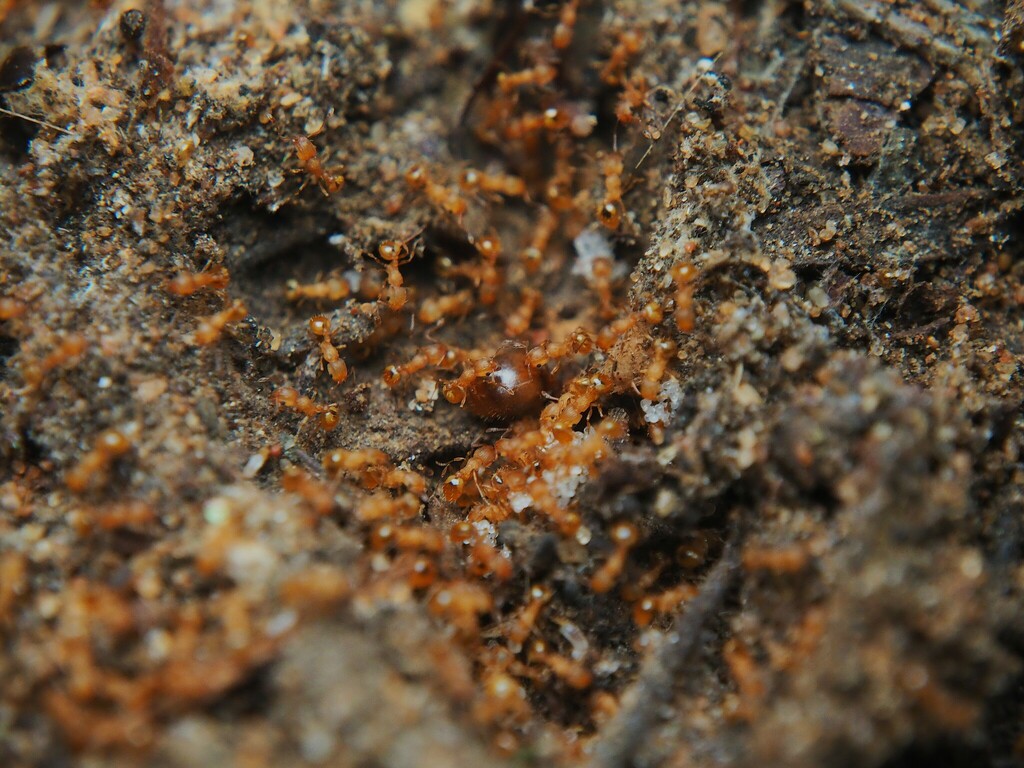
- Color: Red-orange
- Worker size: 1 millimetre
- Colony size: thousands
- Queen: 4 millimetres, budding, polygyne
Introduction
Electric ants (aka Little Fire ants) are a small, yellow-orange ant that are 1 mm long! Their queens are 4-6 mm long, and they prefer to nesting near trees or shaded areas. These ants are very polygynous, and one colony could have hundreds of queens! However, the lifespan of an Electric Ant queen is 1 year, but this is not verified yet.
Unique Traits
Little Warriors
These little fellows pack a bigger punch than you may think. Their stings are very painful, and they sometimes sneak into homes. The stings are described as very unpleasant for an adult but much more painful for children. The stings may get infected as well. It’s such a nuisance that harvesting crops have grown hard, because the crops are swarming with Electric ants. The Electric ants are also known to kill a variety of organisms, from geckos to baby birds! They could even cause blindness in bigger mammals.
Defences
If I wasn’t already clear enough, then let me state it again: these Electric ants use numbers and their painful stings to kill a huge number of organisms. This is one ant not to mess with.
Habitat & Diet
This ant is native to South America, although it is an invasive species to every other continent except Antarctica. They are omnivorous, and they hunt and kill invertebrates and small vertebrates. Even though their diet consists mainly of animals, they also like honeydew.
Sources:
- https://datazone.darwinfoundation.org/en/checklist/?species=7046
- https://piat.org.nz/index.php?page=little-fire-ant#:~:text=Social,their%20land%20due%20to%20infestations.
- https://tropicalselfsufficiency.com/litte-fire-ant-wasmannia-auropunctata-prevention-and-protocol/#:~:text=LFA%20do%20not%20spread%20very,Not%20moving%20individual%20worker%20ants.
- https://antessentials.wordpress.com/2020/06/30/wasmannia-auropunctata/#:~:text=Country%20Or%20Region%20Of%20Origin,always%20be%20ants%20on%20everything.
- https://antmaps.org/?mode=species&species=Wasmannia.auropunctata