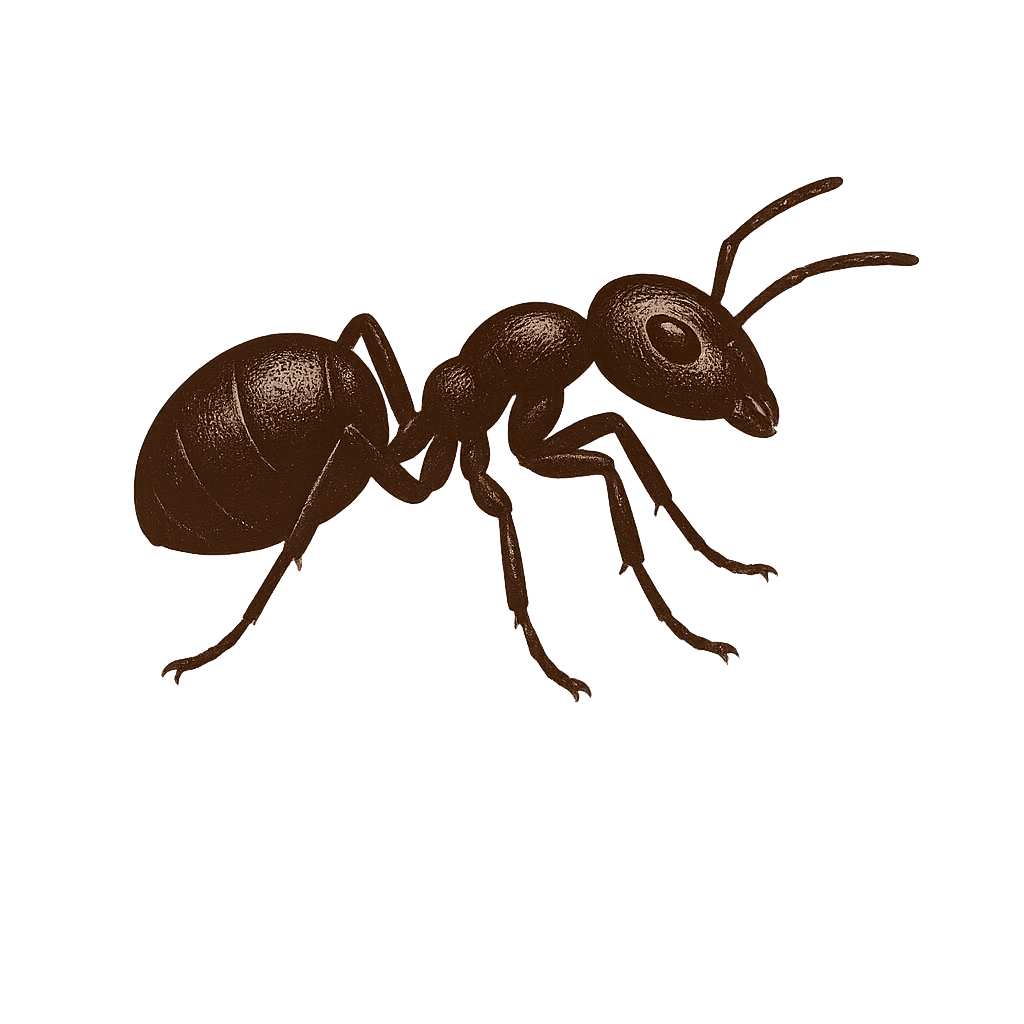
Funnel Ant
Aphaenogaster Pythia
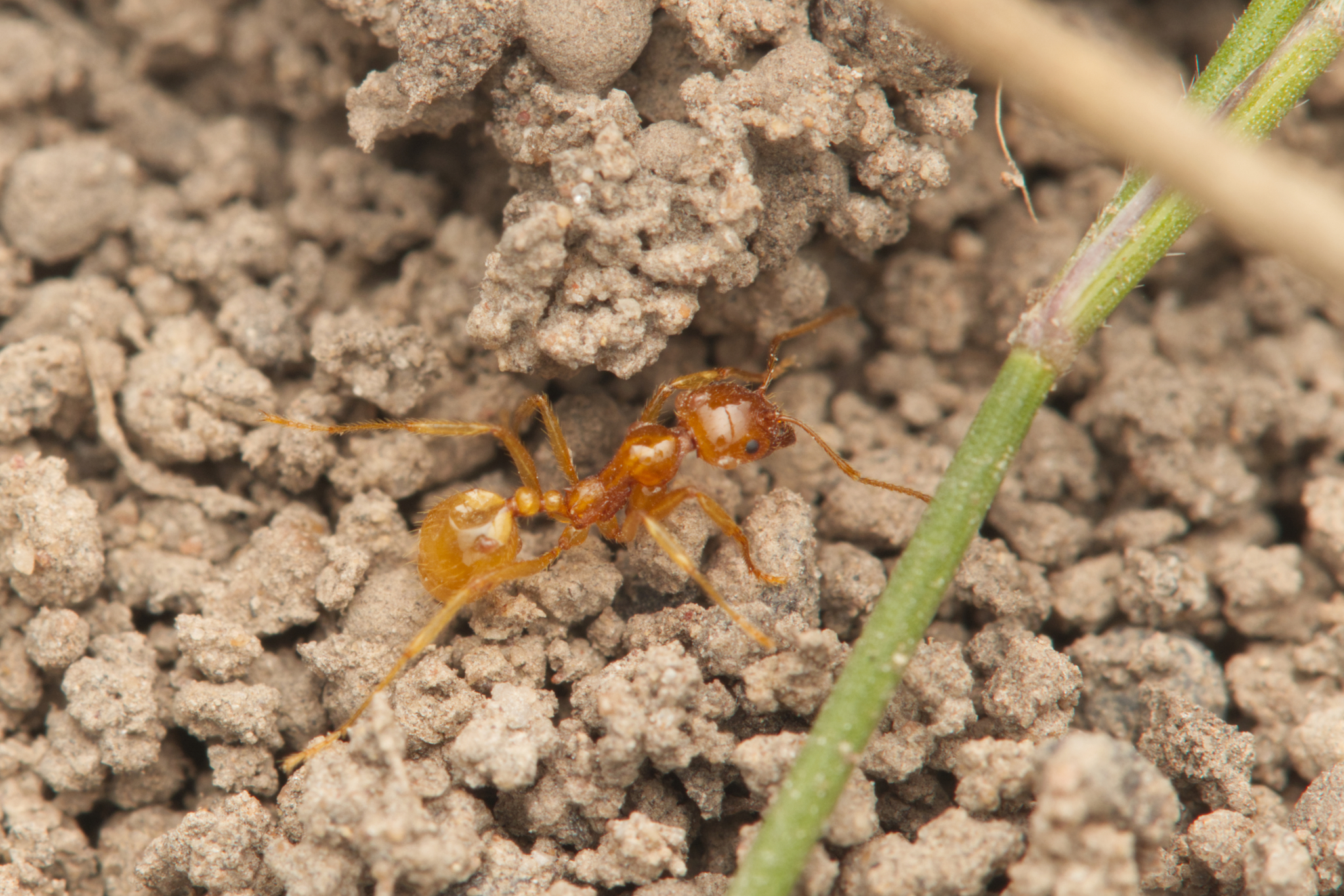

- Color: Light brown thorax, brown head
- Worker size: 1 centimetre
- Colony size: up to 80
- Queen: ~7 millimetres, colony fission, monogyne
Introduction
The funnel ant is an ant found commonly in eastern Australia. They have nest entrances that look like a funnel, hence, their name. They are relatively big ants, at around a centimeter long with light brown color on the thorax. The heads and the thorax are darker. They have thin thoraxes, except for the queen. They build large, easy to spot ant hills leading to the nest.
Unique Traits
Ant Towers
Funnel ants usually aren’t aggressive unless their nests are disturbed and they feel threatened. If that happens they can sting you, leaving with a burning itchiness and are usually not bad. They have a habit of building funnel shaped nest entrances that provide protection from the elements and predators. These ant hills also traps small insects and can also redirect water away from the nest to some extent
Defences
The funnel ant’s defense is mainly its stinger and ant hills. The ant hill serves as a barrier against predators. This protects the ants from said predators. They are also equipped with stingers that are ready for use. The venom is composed mainly of formic acid, an odorless, colorless acid with about the same PH of lemon juice. If you were to be stung by one, it wouldn’t cause any major reactions unless you are somehow allergic to the venom.
Habitat & Diet
Funnel ants live in open, grassy areas such as fields, your lawn, and other places like that. They are omnivorous and eat nutrient rich honeydew, insects, and other foods high in sugar, protein, and carbohydrates. Their diet also includes seeds.