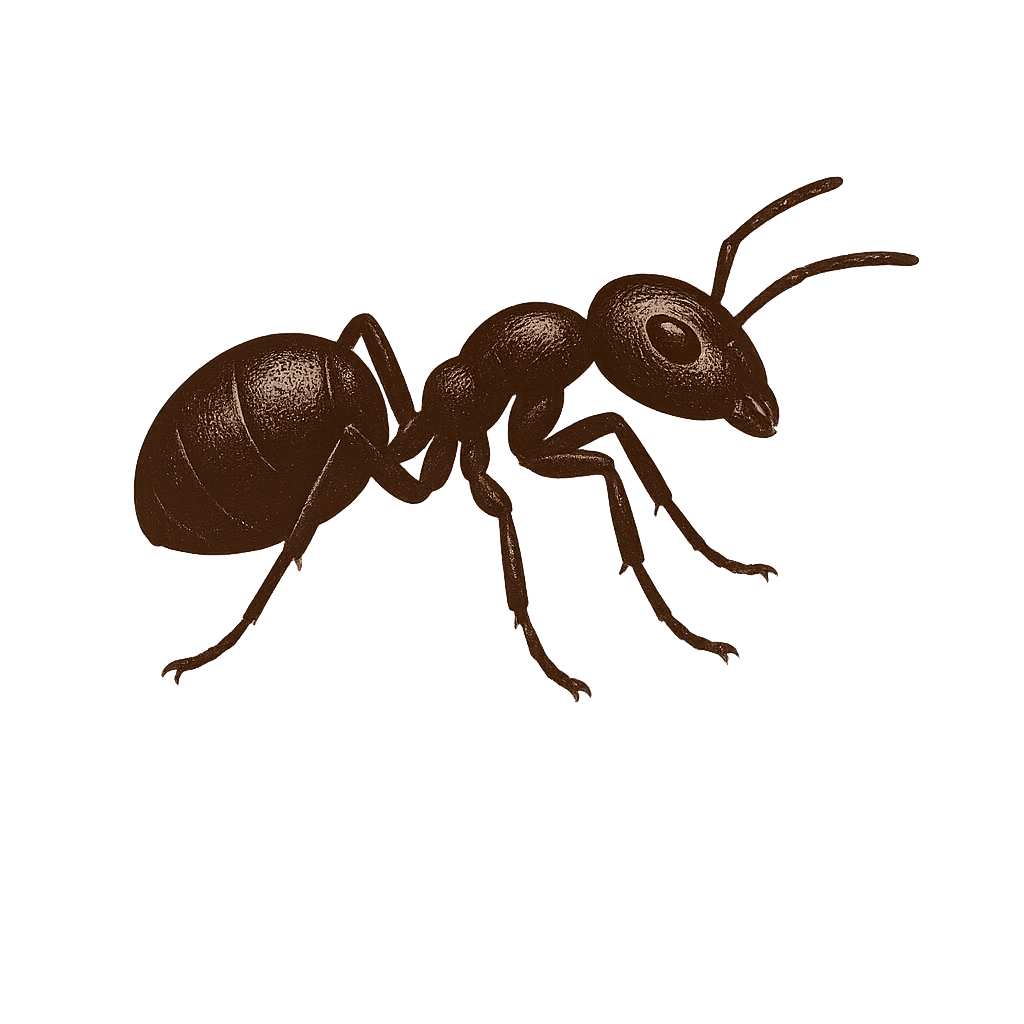
Incomplete (no sources!)
Giant Amazonian Ant
Dinoponera Gigantea
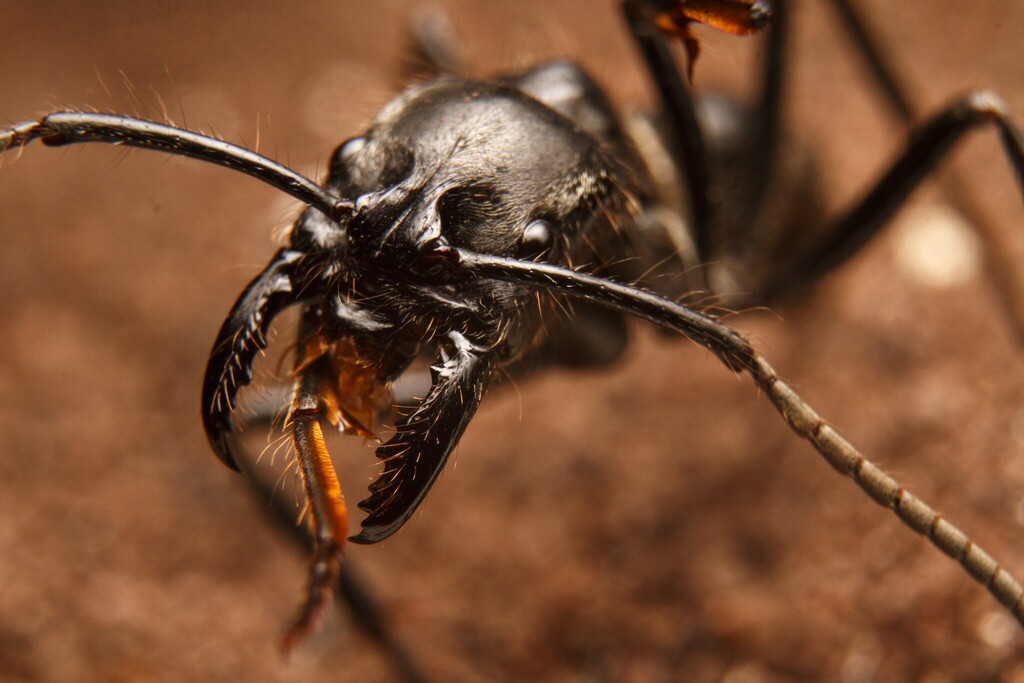
- Color: Black
- Worker size: 3-4 centimetres
- Colony size: 13-74 (avg.)
- Queen: 3-4 centimetres, budding, gamergate, polydomic
Introduction
The super-giants are an amazing ant to study. They are completely black, and are 3-4 centimetres long. They are also gamergates, so they have no “queen”. Giant Amazonian ants fight for the position as queen using contests such as “antenna boxing” and some other things. Their nests have multiple entrances.
Unique Traits
Godzillas
These ants are truly Godzillas. Each one is 3-4 centimetres long, so if you are a Fire ant (Solenopsis invicta) , which are about 3 millimetres long, then you would be cooked. If a Fire ant was the size of a human (1.7 metres tall), then Giant Amazonian ants would be about 15.3 metres tall. And just when you’re thinking that today can’t be any worse, Giant Amazonian ants have robust bodies, which basically means this 15.3 metre tall human is also muscular. And what’s even worse (yes, there’s more) is the fact that Giant Amazonian ants have incredibly painful stings, comparable to that of Bullet ants (Paraponera clavata has the most painful sting in the world). So, this 15.3 metre tall muscular human also carries a poison-stained sword. You’ll be lucky to escape this encounter. However, these ants have a downside. Their population isn’t very high, and their reproduction rate is pretty slow. This means they are pretty susceptible to habitat destruction.
Defences
Ah, the defences. Need I say more? These ants have a deadly sting that paralyzes a lot of prey and kills others. They also have a robust build, which helps them survive in the highly competitive Amazon Rainforest. Their size alone is also a good defence, as other ants like Trap-Jaw ants (Odontomachus bauri) are going to have a very hard time individually tackling these ants.
Habitat & Diet
They feed on a wide range of foods. They take down spiders, beetles, small vertebrates, snails, and crickets. Their foraging habits are interesting. They like to forage at around dusk and dawn, and they forage for an average of 30-60 minutes each time. Only about 10% of forages return home with food. They take home loads of different foods. From inga seeds (“Ice Cream Bean”) to Vismia plants, they also bring in plant matter. They are native to certain regions of South America like Peru or Brazil.
Sources:
- https://www.gbif.org/pt/species/165463840#:~:text=Dinoponera%20gigantea%20is%20present%20only,the%20Loreto%20Province%20in%20Peru.
- https://timesofindia.indiatimes.com/etimes/trending/meet-the-largest-ant-in-the-world-the-giant-dinoponera-a-powerful-predator-of-the-rainforest/articleshow/125488962.cms#:~:text=This%20unique%20system%20allows%20for,threaten%20their%20delicate%20ecological%20balance.
- https://antmaps.org/?mode=species&species=Dinoponera.gigantea