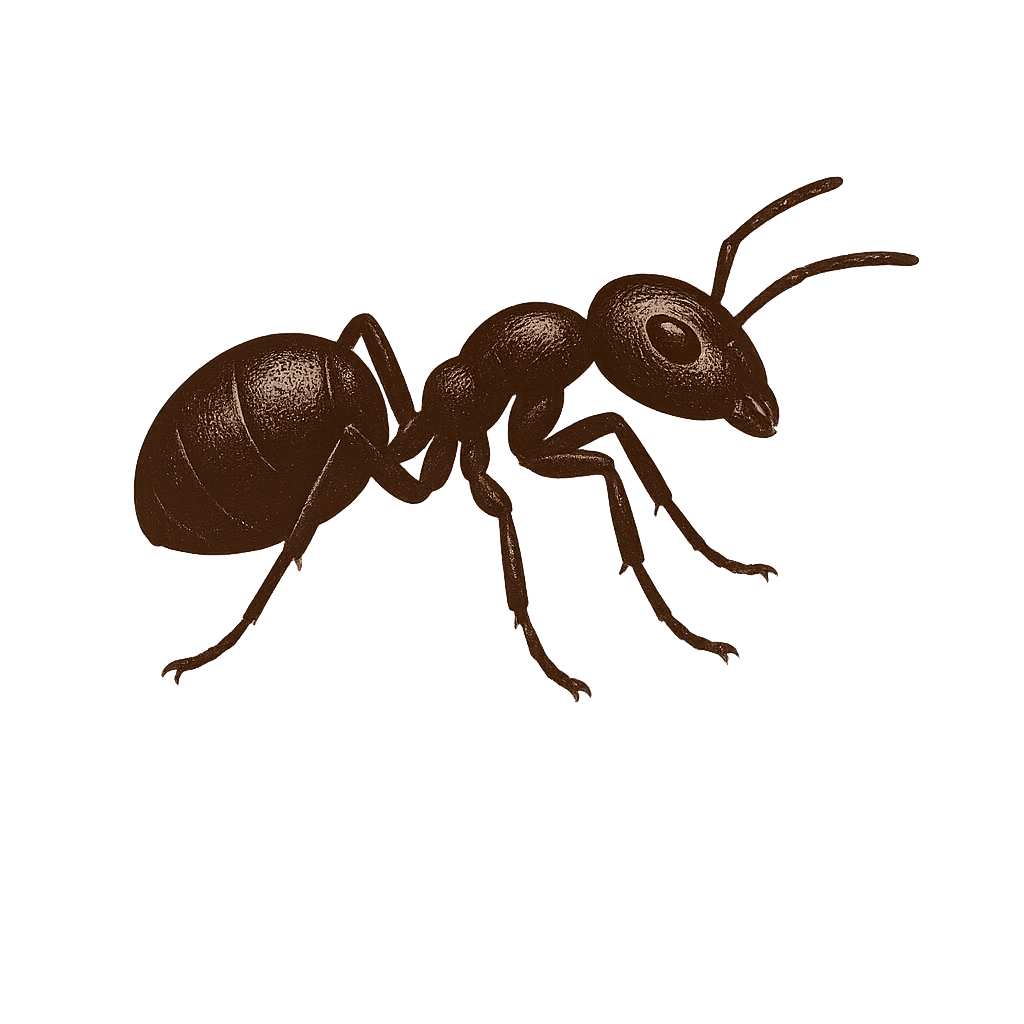
Harvester Ant
Pogonomyrmex Barbatus
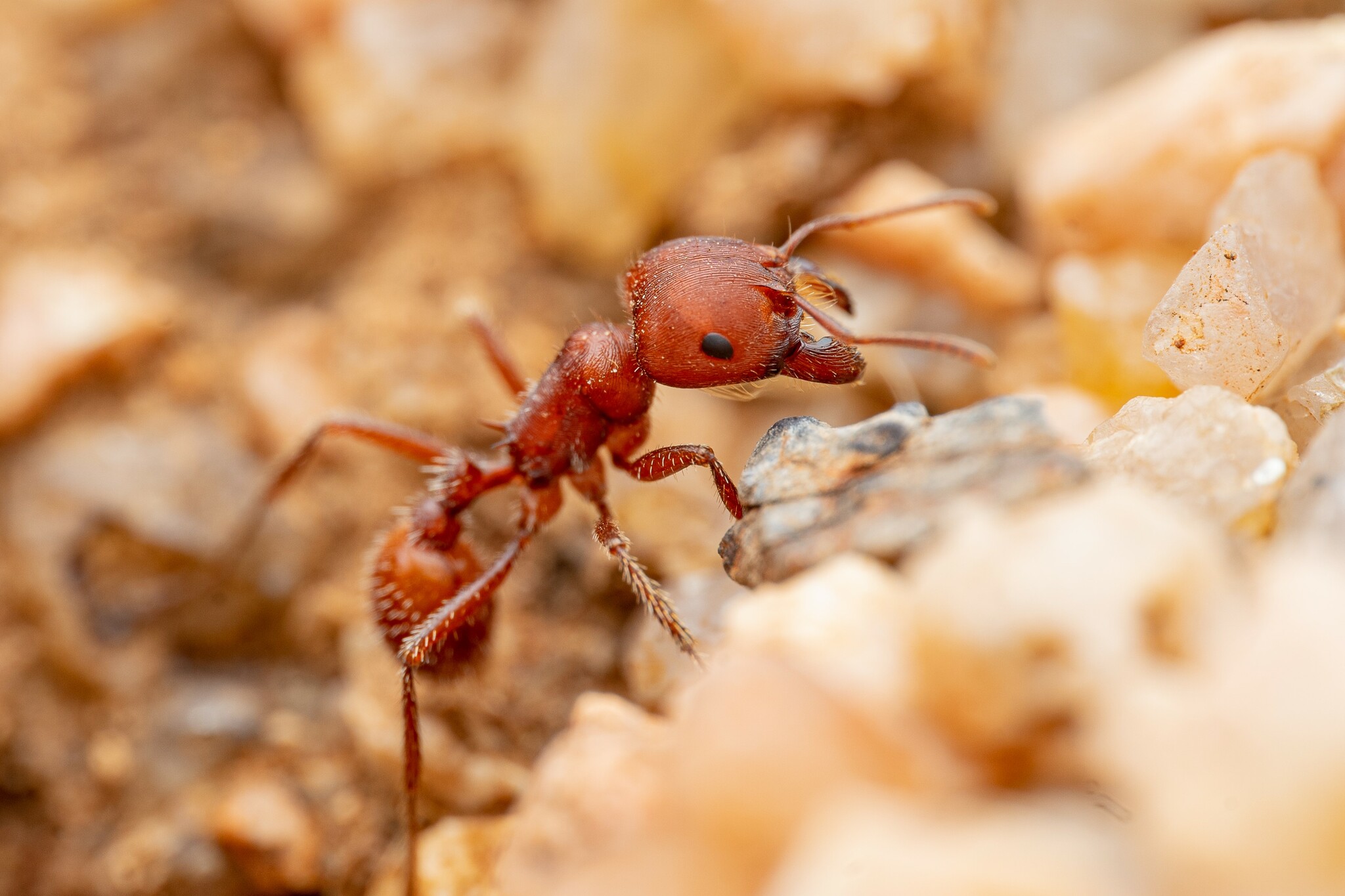

- Color: reddish-brown
- Worker size: 5 - 7 millimetres
- Colony size: 10,000+
- Queen: 12 millimetres, claustral, monogyne
Introduction
Pogonomyrmex, more commonly known as the harvester ant, is a relatively medium-sized ant. It is about 6mm-1.25cm, and they are commonly mistaken for fire ants due to its red and brown colors. Winged harvester ants, such as males, are larger than the workers. Harvester ants have a painful and deadly sting that deal the same amount of pain as Asian bullet ants (3.0 on the Schmidt sting pain scale)
Unique Traits
Granivorous Bakers
Harvester ants have a reddish brown thorax and head while the abdomen is black in color. Despite the aggression and pain that comes with caring for these ants, these are actually quite easy to keep. They have a unique diet: ant bread made from seeds. If you look inside their nest, you can see the workers take seeds found on the surface, and then bite and use saliva to make a mush.
Defences
The harvester ant has a painful, venomous sting. This sting is not lethal to humans but can paralyze their enemies. When a harvester ant thinks that there is a threat nearby, they may begin acting extremely aggressively and will go into “kill everything that looks like something you can kill mode” When a harvester ant stings, they will first bite the threat extremely tightly. The ant bites so tight that if you try to pull it off, the head would still be stuck on your skin. After the ant is done biting, they will sting. They can easily get multiple ants onto the victim and either drive it back or sting it to death.
Habitat & Diet
Harvester ants live in southwestern USA and in Mexico. They like to live in open and dry spaces such as your lawn. They specialize in foraging for seeds and puts the seeds into so-called “granaries”. Ants then take these seeds and chew the seeds until they’re a bread-like substance. These granaries are essential to the survival of the colony as seeds are the ants main food source. While some people may think that harvester ants are damaging the plant population due to the ants' seed dependence, they actually help in the growth of plants as when they are foraging, they drop some seeds and help spread the seed.
Sources:
- https://www.sfzoo.org/red-harvester-ant/
- https://www.pctonline.com/news/outdoor-action-harvester-ants/
- https://www.pctonline.com/news/outdoor-action-harvester-ants/
- https://www.orkin.com/pests/ants/harvester-ants/western-harvester-ants
- https://www.sciencedirect.com/topics/agricultural-and-biological-sciences/harvester-ant
- https://en.wikipedia.org/wiki/Harvester_ant