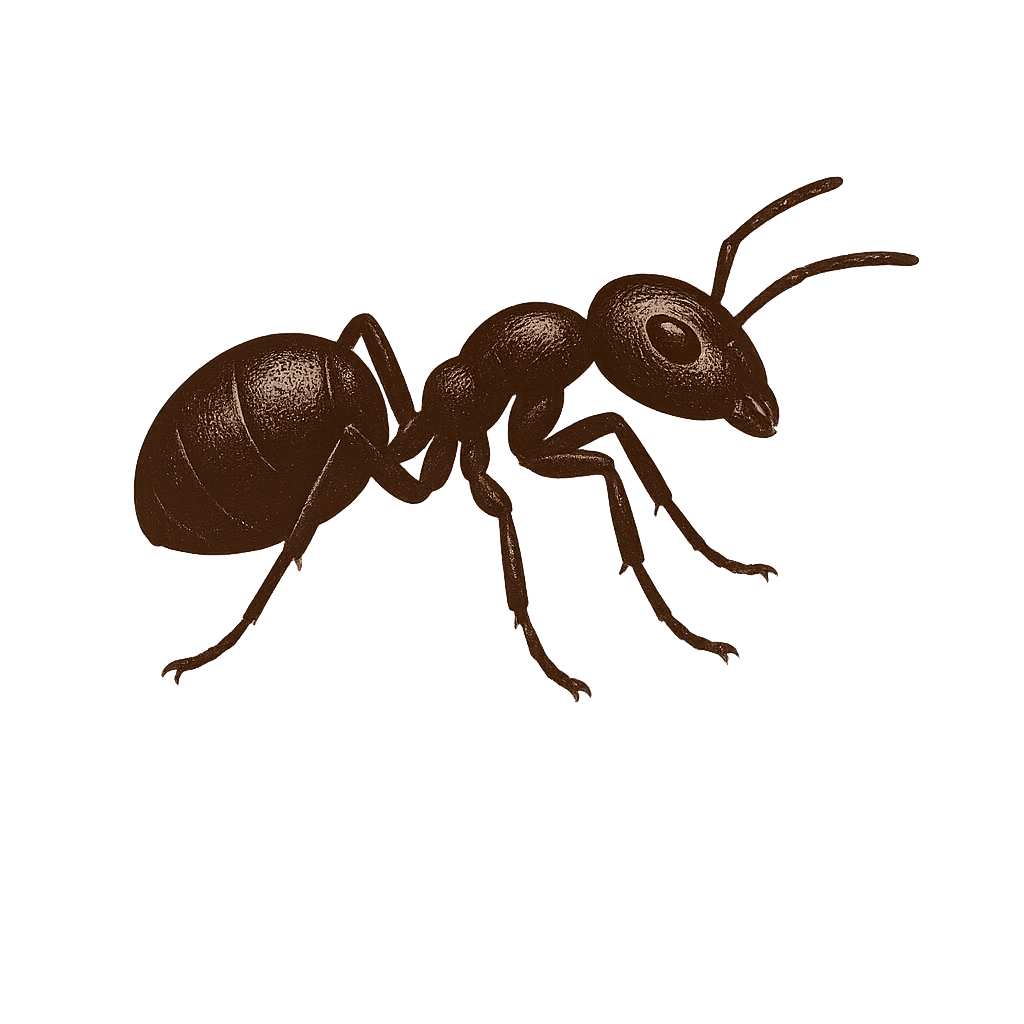
Honeypot Ant
Myrmecocystus mexicans

- Color: Red & Brown
- Worker size: 6 - 10 millimetres
- Colony size: 5,000
- Queen: 9 millimetres, claustral, monogyne
Introduction
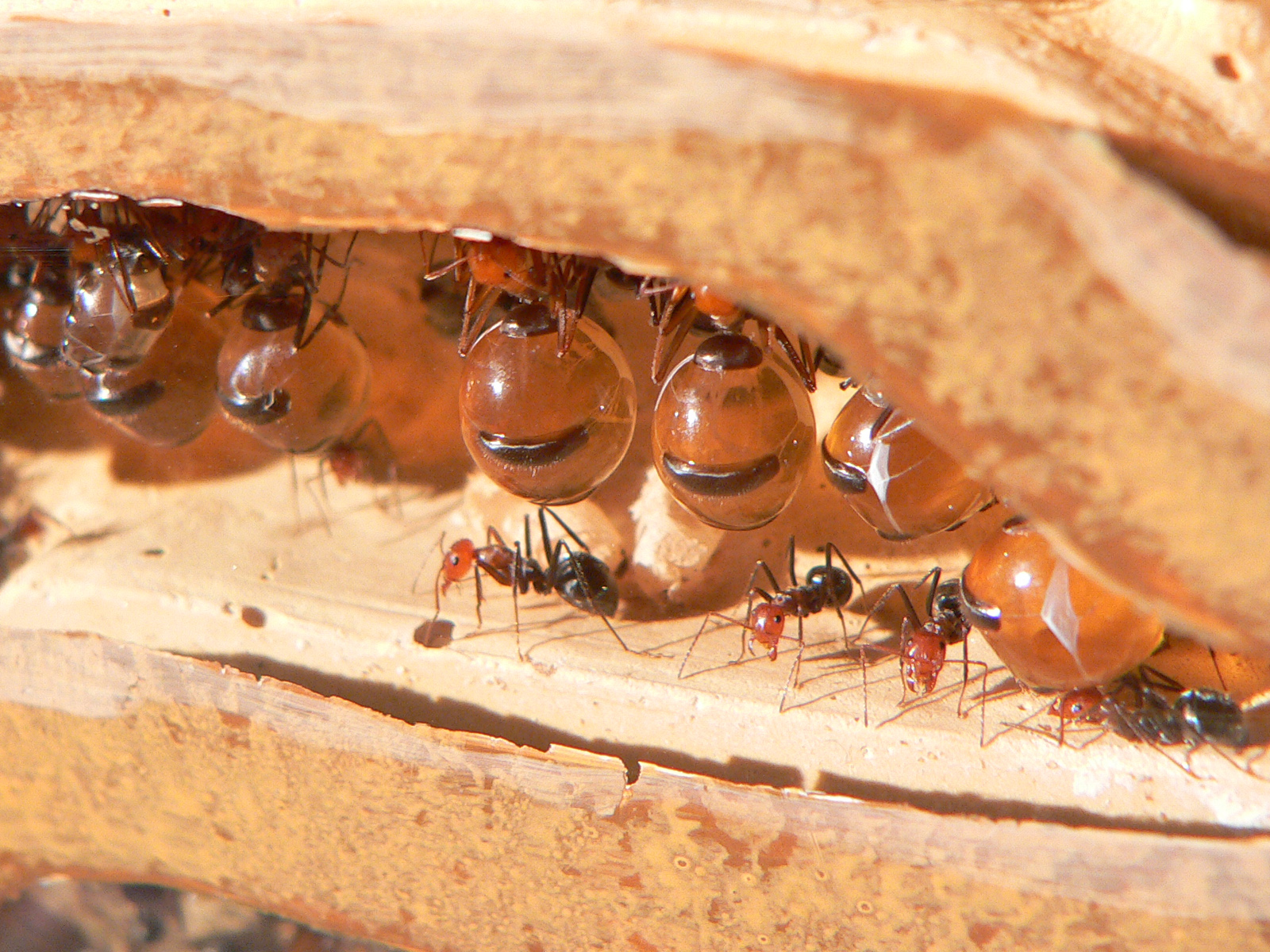
Myrmecocystus, more commonly known as honeypot ants, are an extremely unique species of ants. They have a color of red to brown, and can be 6-10mm in size. They can look glossy, as if some sort of liquid is on them. A strange ability these ants have is to store extremely large amounts of food. These ants are called repletes. These ants have especially if they’re carrying food in their bodies. Workers can live for around 1-3 years while queen ants can live up to 10 years or more. The abdomen of a replete is extremely large and looks like a balloon, due to food being stored there.
Unique Traits
A Big, Fat, Pot of Honey
Honeypot ants aren’t very aggressive and even if they do bite you, you wouldn’t notice. Most honeypot ants cannot sting. They have a unique way of approaching food. They store food inside repletes and use them as living food banks. This helps them combat famines and hunger. Honeypot ants, while interesting, are unfortunately pests as they can leave behind sticky residue and can nest inside your walls and roofs. This may even lead to structural damage and you may need to call an exterminator.
Defences
Honeypot ant colonies do not always fight over colony boundaries. Instead, they do a sort of “tournament”, in which they show aggressive displays in order to settle territorial disputes without fighting. If one colony is noticeably weaker than the other, however, the stronger colony will most likely raid and invade the colony for food and power. Whilst honeypot ants do not have a powerful sting or bite, they have extremely deep nests. This makes it hard to penetrate the nest and get to the queen. Honeypot ant usually can’t successfully invade other ant species due to their lack of defenses compared to other ants. Other ants can easily kill honeypot ants, which would be good as the repletes are an extremely good food source.
Habitat & Diet
Honeypot ants live in arid habitats such as woodlands, grasslands, etc. Honeypot ants are omnivores and eat small insects. They also eat nectar and honeydew. Repletes are too big to move around so they just hang on the roof of their nests. Since repletes can’t move on their own, worker ants have to feed them instead. However, they act as food stores in case of famine, regurgitating food if needed.
Sources:
- https://bantam.earth/honeypot-ants-myrmecocystus-mexicanus/
- https://www.empirepestcontrol.my/blog/how-to-get-rid-of-honeypot-ants/
- https://ielc.libguides.com/sdzg/factsheets/honeypot-ant
- https://sdzwildlifeexplorers.org/animals/honeypot-ant