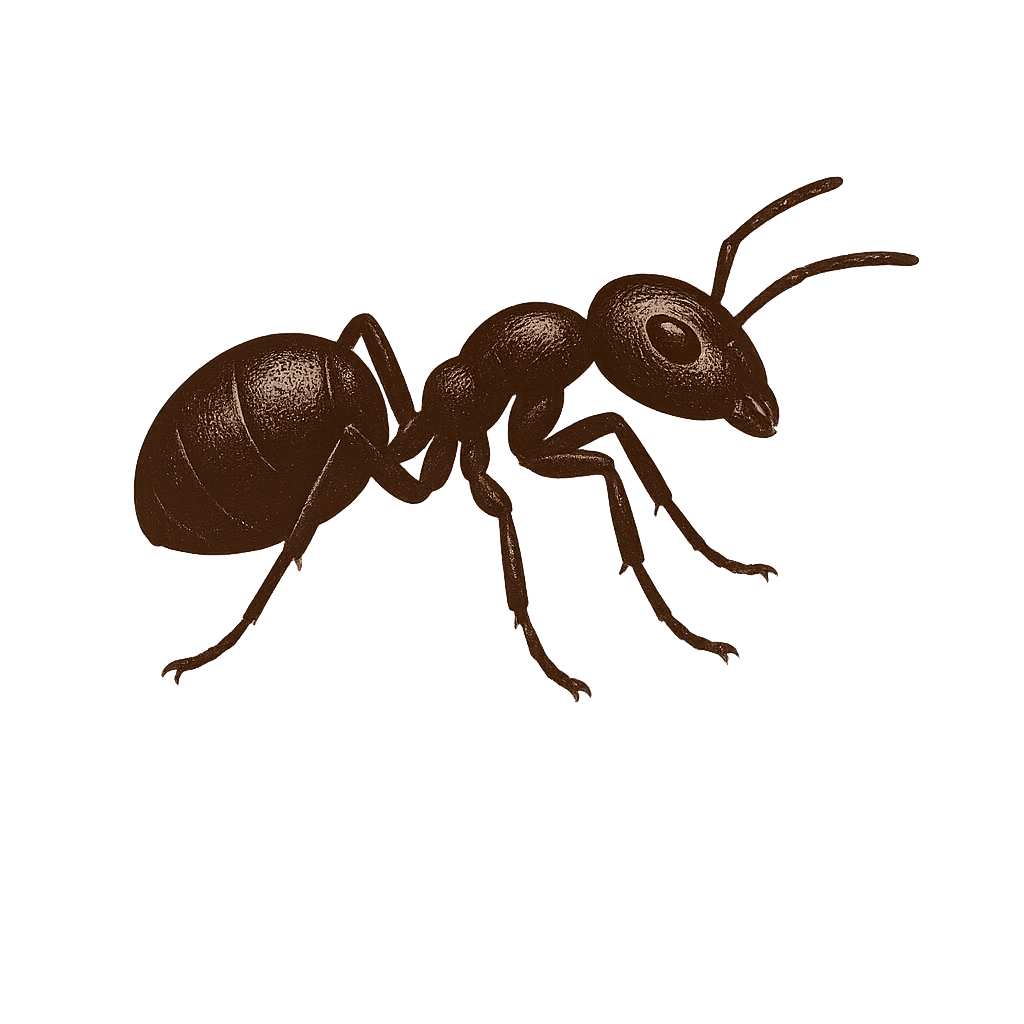
Meat Ant
Iridomyrmex Pupureus
_-_27043417028.jpg "Iridomyrmex Pupureus")
_-_27043417028.jpg)
- Color:Red-brown, with black abdomen
- Worker size: 1 centimetres
- Colony size: up to 50,000
- Queen: 1.4 centimetres, sometimes pleometrosis, oligogyny, sometimes budding
Introduction
Meat Ants are quite an interesting ant species, especially when it comes to their diet. They are around 1 cm in length. They are also known as “gravel ants”. Their nests have very flat mounds, but very big ones all the same. The nest occupies a lot of space with lots of entrances. There is also usually no vegetation on the mound, which is quite impressive. Meat ant queens are 14 mm long.
Unique Traits
Carnivores
Meat Ants have heads packed with muscle to deliver a strong bite. This helps them eat dead vertebrates and animals by ripping the flesh apart. Other ants may struggle to attack the dead animal, while Meat Ants have no problem with it. They will also hunt mealworms, lizards, and other live prey. Although they sometimes hunt for prey, they prefer prey that are dead or at a disadvantage, like when they are injured.
Defences
Meat Ants are extremely aggressive and territorial. They have powerful mandibles and swarm enemies. They will often scare their enemies into retreating. Meat Ants also have a pretty interesting way to resolve border disputes between different ant nests of the same species. They will first try to identify if the others are truly their enemy. Then, they will do a pose called “stilting”, which is basically when they raise their abdomens and bodies. If the conflict is not yet resolved. They will start to fight each other using their front legs as if they’re kickboxing. This will test the other ant’s agility and strength. Whoever wins the battle lowers their posture, and the winner keeps their high posture with raised abdomens. This type of battle rarely results in any casualties and makes both of the colony survival chances better.
Habitat & Diet
They are native to mainland Australia and live in grasslands. They live in the coastal areas too. They eat anything that they can find, including meat from dead animals. Although they can better consume dead animals, they are omnivores. They eat plants, other insects, nectar, honeydew, and some seeds. Meat Ants have formed symbiotic relationships with some plants. The ants protect the plant from herbivores, and the plant provides sustenance to the ants. Meat Ants will also protect their food sources very vigilantly, and a lot of ants are scared into retreat, making way for the Meat Ants to consume their food. These ants also create trails cleared of vegetation to a valuable food source, which can be mistaken for being made by larger animals.
Sources:
- https://australian.museum/learn/animals/insects/meat-ant/
- https://www.youtube.com/watch?v=p6P1gF08-W8
- https://fourmiculture.com/en/product/iridomyrmex-purpureus/#:~:text=Presentation%20of%20the%20species%20Iridomyrmex%20purpureus:&text=We%20first%20notice%20the%20large,artificial%20anthill%20is%20perfectly%20easy.