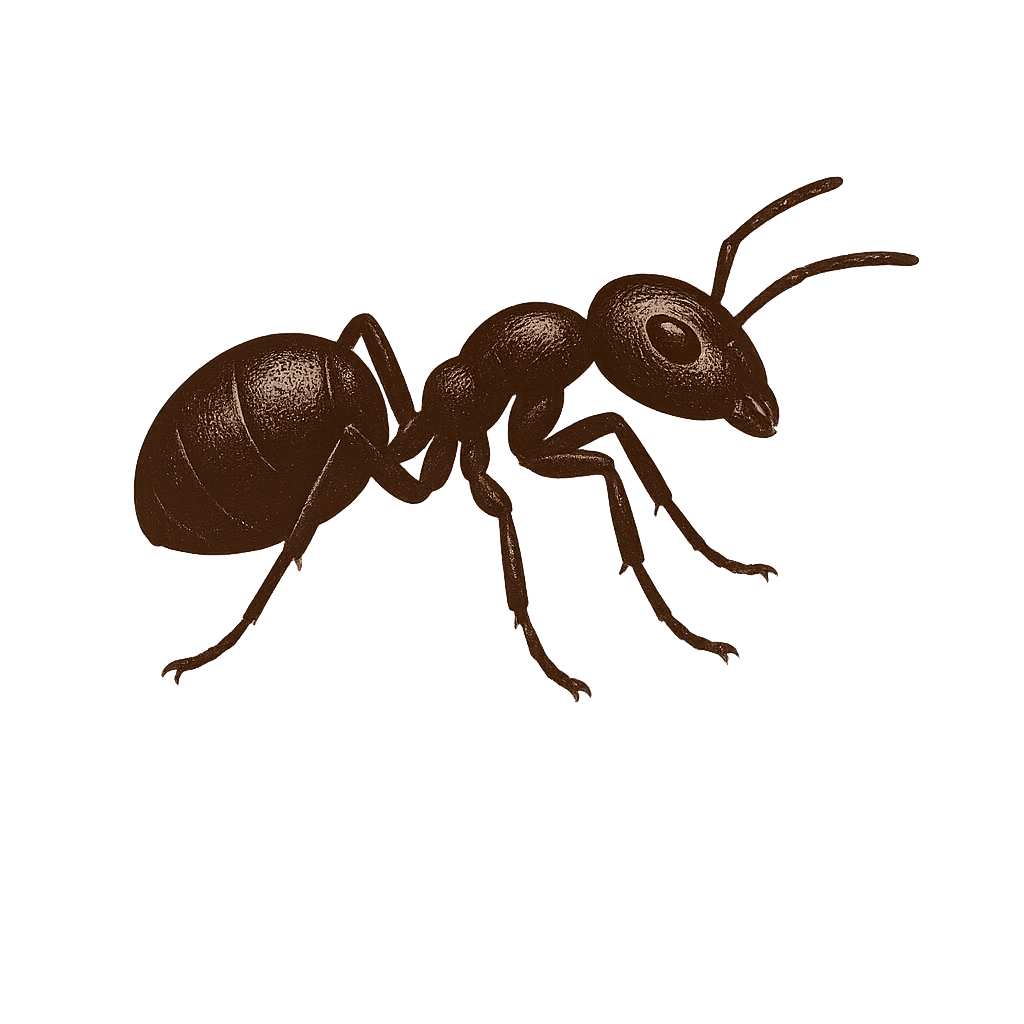
Pavement Ant
Tetramorium Immigrans

- Color: Brown to black
- Worker size: few millimetres
- Colony size: over 10,000
- Queen: 6-7 millimetres, claustral, polygyne
Introduction
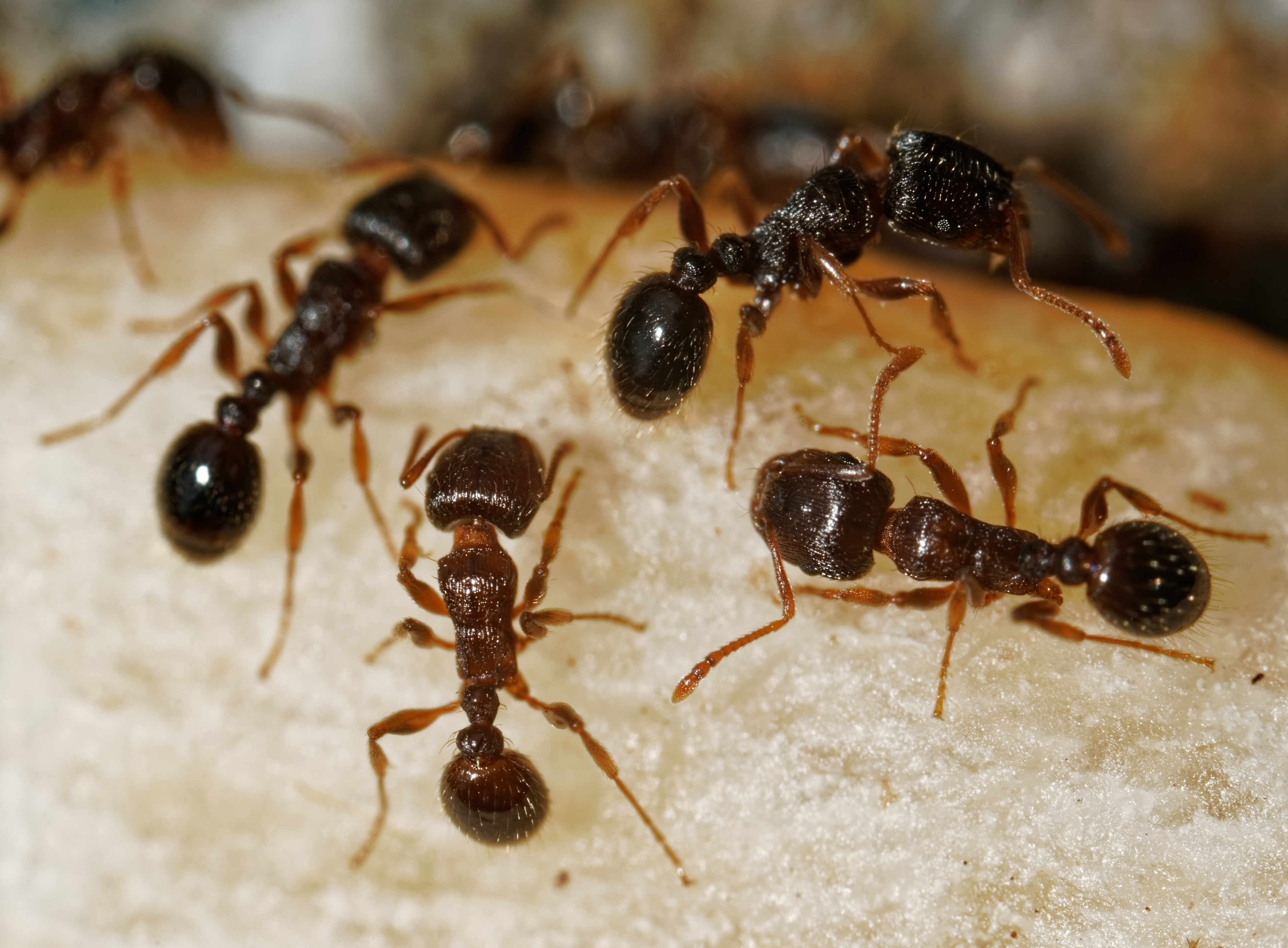
Pavement ants of the tetramorium genus are an extremely common ant that lives in pavements, buildings, and other man made structures. These are usually what people think of when someone talks about ants. They are pretty small for even ants and come in at about a few millimetres, and not usually over a centimeter unless it is a queen. Their color varies from brown to black. Large masses of these ants may be found on pavements.
Unique Traits
Compeitive Invaders
Pavement ants tend to be aggressive towards other ants. If threatened, some species can spray formic acid towards each other. This behaviour outcompetes other ants species as pavement ants are invasive and don't have many if not any natural predators at all to keep their population in check. This is why you would see so much. They are so common that most of the times when you see a small, black ant, it’s likely a pavement ant. They are also polygynous, meaning that they have multiple queens and even have the potential to form a supercolony
Defences
The ants within the genus Tetramorium have many different defenses. This ranges from just mandibles, to stingers, to formic acid. When fighting each other, they do a sort of “wrestling” with their mandibles by locking them on one another.They don’t do that well when in a 1 v 1 scenario with other small ant species such as fire ants. I’ve tested that already. However, they do have power in numbers. They also get pretty excited about food near their nests.
Habitat & Diet
Pavement ants are commonly found in urban areas such as cities, under pavements. They, however, also nest in natural areas if needed, such as just under the dirt. Pavement ants eat a variety of foods, such as other insects, isopods, and seeds.