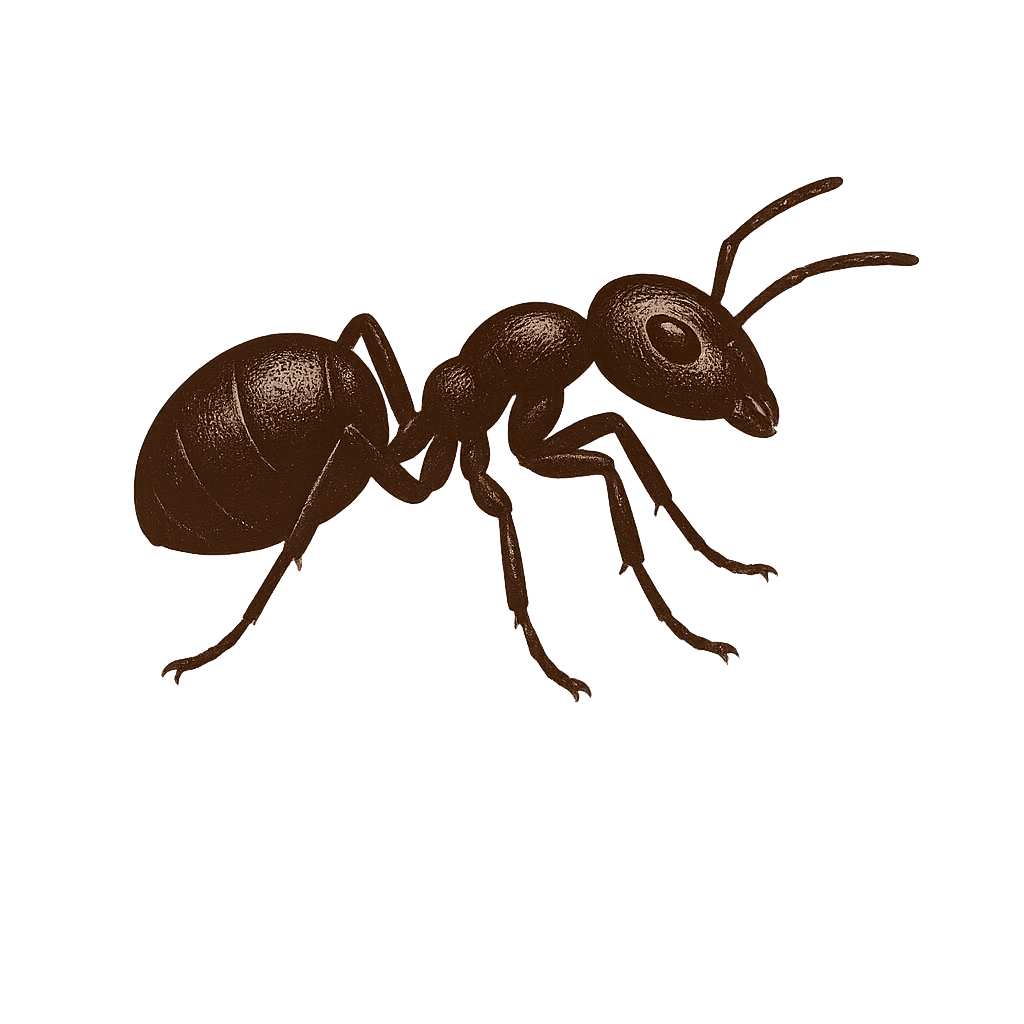
Red Wood Ant
Formica Rufa
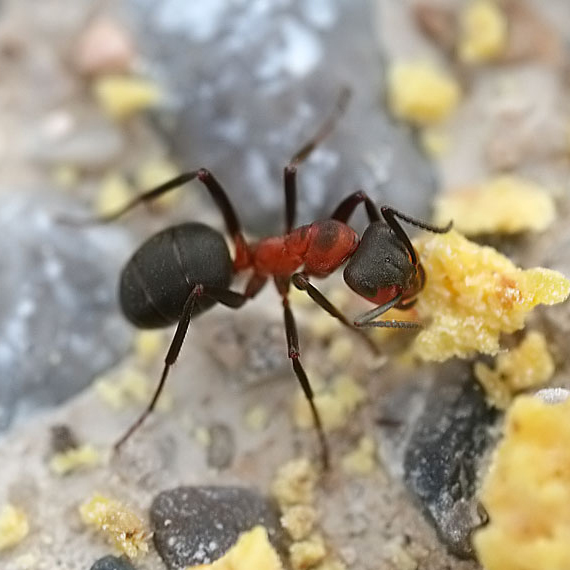

- Color: Red thorax, black head & abdomen
- Worker size: 2-4.5 millimetres
- Colony size: hundreds of thousands
- Queen: , DCF & TSP, polygyne (up to more or less a hundred queens)
Introduction
The red wood ant is an extremely aggressive and territorial ant species. They have a color of brown to yellow-ish. They can build extremely large nests up to two metres tall. They like to nest near wood, hence, their name. They are relatively small, with a size of 2 mm - 4.5 mm, but their colonies can be quite large, harboring up to hundreds of thousands of ants and maybe a hundred queens. They are polygonous, meaning that they can have multiple queens.
Unique Traits
Very Interesting Ants
The red wood ant is famous for its massive nests, reaching up to 2 metres high. They do this so that they have protection from things such as predators, the weather, and for a safe access to the outside world. They are 2 mm to 4.5 mm large and are extremely aggressive. They can spray formic acid in order to defend or attack alike. They are also quite good at doing such. They are polygonous, meaning multiple queens reside in one nest but some also only have one queen.
Defences
The red wood ant is one of the species that spray formic acid. They spray when disturbed and can cause damage to other bugs, insects, or even vertebrates if the formic acid is sprayed into the eyes. They can also bite in order to defend themselves. Their mandibles are large compared to their body, and might be able to cut through skin. However, they are unable to sting.
Habitat & Diet
The red wood ants live in or near forests and around the bases of trees. They are omnivorous and eat things such as other insects, honeydew, and plant resin. They especially love honeydew due to the sugar content of it. They can also forage for food and dead insects.
Sources:
- https://antkeepers.com/pages/formica-rufa-red-wood-ant?srsltid=AfmBOoplxNRvdXIzGsvBV-AWl_qOIbZxFcWUutjKqI2z_8awGIJi7mer
- https://antmaps.org/?mode=species&species=Formica.rufa