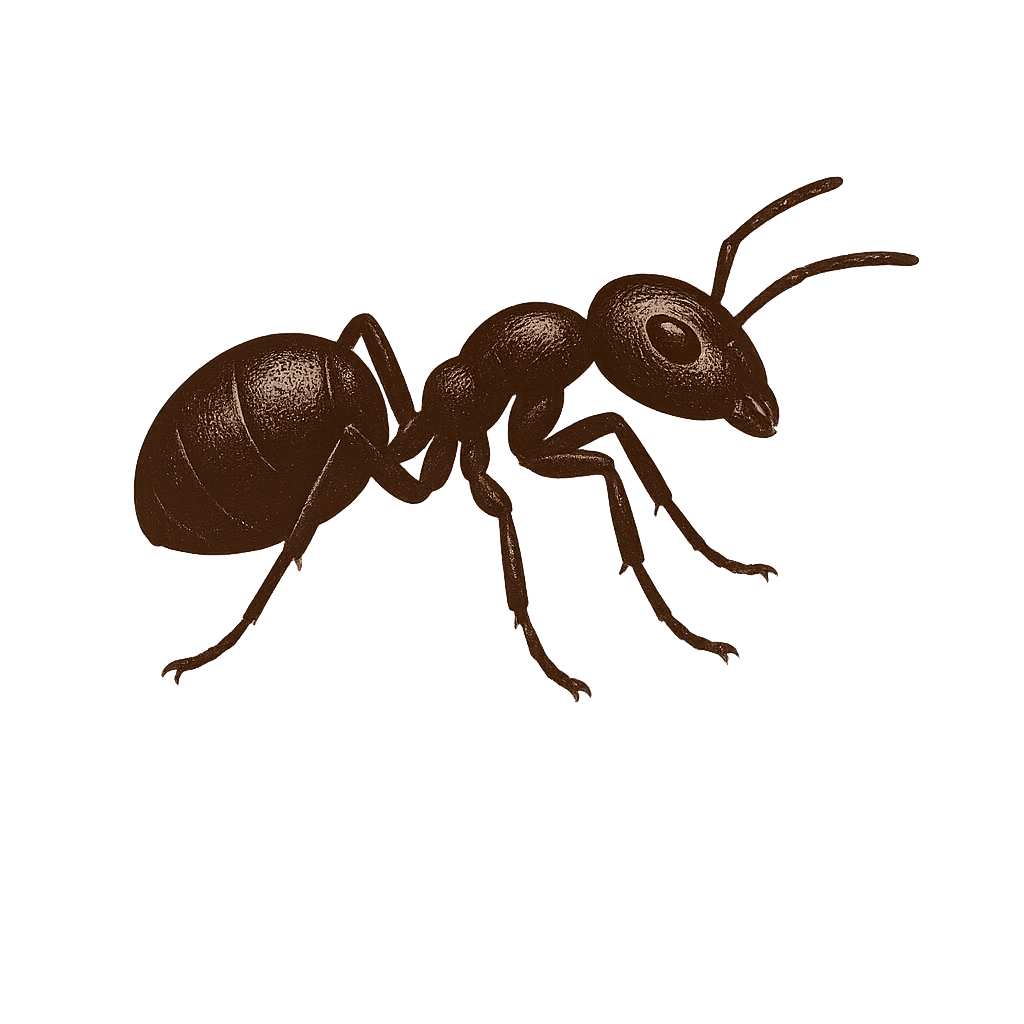
Sahara Desert Ant
Cataglyphis Bicolor
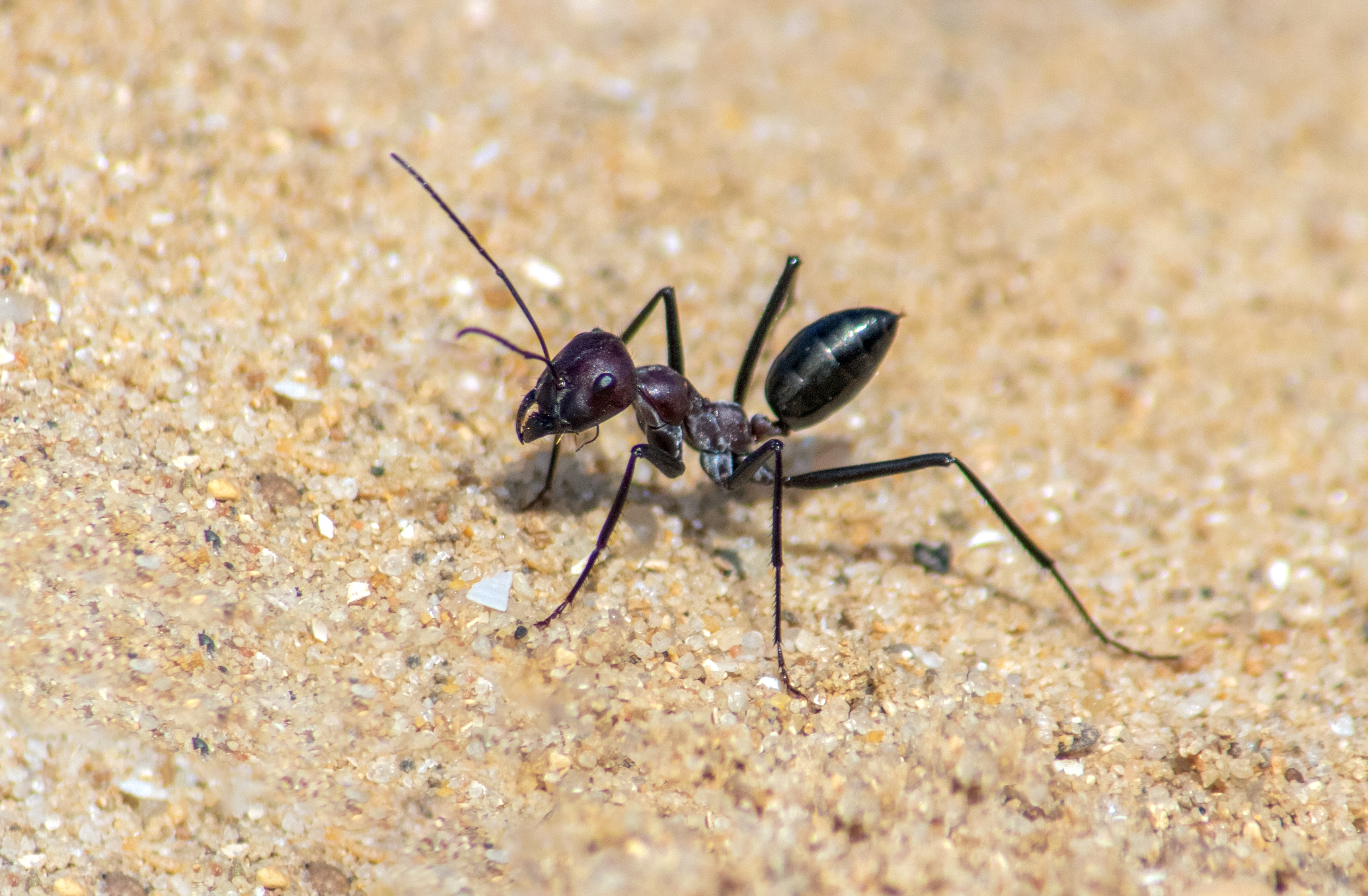

- Color: Dark red, black abdomen
- Worker size: 8 millimetres
- Colony size: couple hundred to a few thousand
- Queen: 12-13 millimetres, ICF & (occasionally) DCF, monogyne
Introduction
The sahara desert ant has a size of around 8mm and is extremely resistant to high heats in the Sahara Desert. They have long legs so they don’t sink into the sand. Ants at the nest build mounds as a way to indicate where the nest is. The nest, however, is like most ant nests. A burrow underground with compartments for brood, adults, the queen, etc. Their nest size ranges from a few hundred to a few thousand ants.
Unique Traits
Speedy Heat-Resistors
The sahara desert ant has a size of around 8mm. They have long legs to adapt to the many differences between sand and the soil. They are famous for their heat resistance and their incredible speed and agility. They have long legs that give them said agility and speed. They have close relatives called saharan silver ants that are the world’s fastest known species of ants, at a speed of 85.5 cm/second.
Defences
Sahara desert ants are extremely resistant to heat, withstanding up to 60 degrees celsius of surface temperature. Sahara desert ants also have the ability to spray formic acid. This long ranged defense helps the ant neutralize danger from farther away than if they used their mandibles.
Habitat & Diet
To no one's surprise, sahara desert ants live in the sahara desert. They feast on dead insects and arthropods that are found, rather than kill them. This diet provides them with a reliable food supply as many insects and arthropods die due to the heat while the sahara desert ant thrives in it. This makes the Sahara desert ant a successful ant species in the desert.
Sources:
- https://www.bnl.gov/newsroom/news.php?a=111737
- https://saharadesertant.weebly.com/
- https://antontop.com/cataglyphis-bicolor/