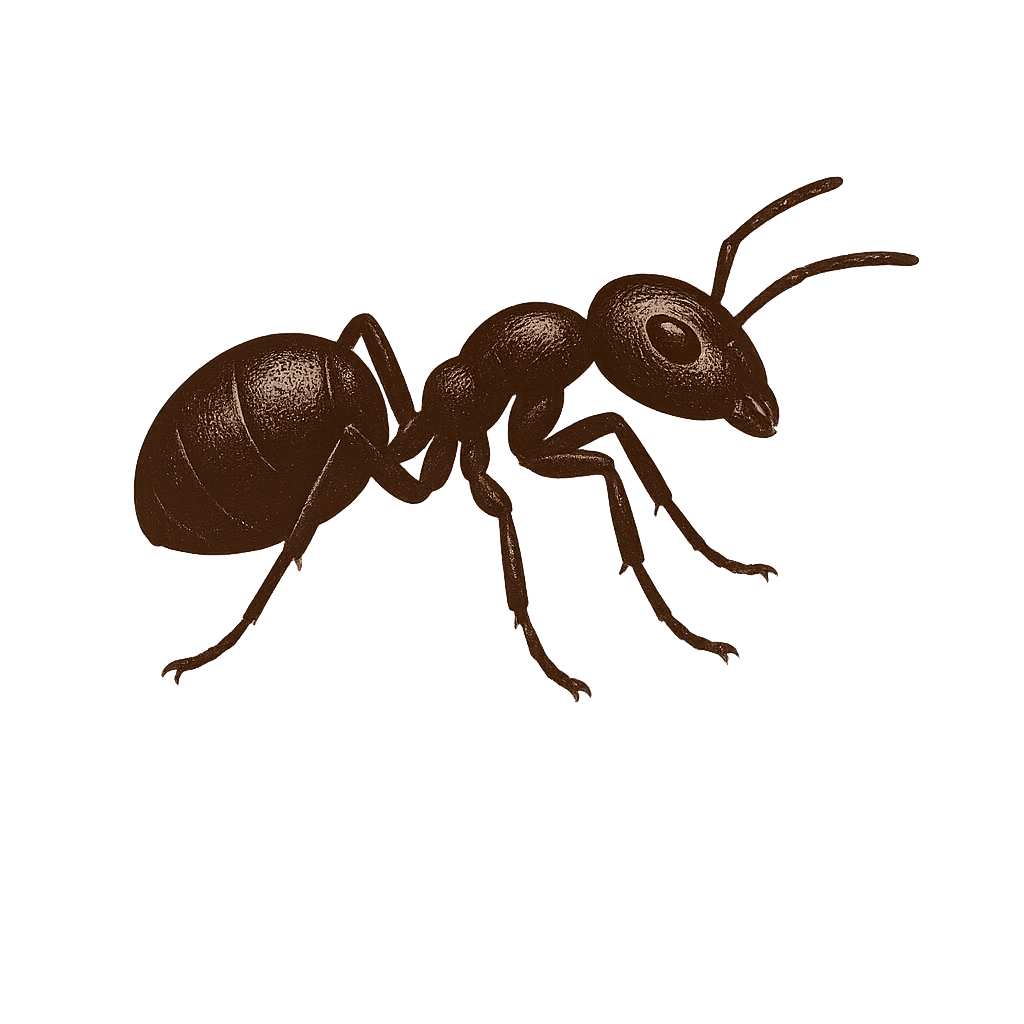
Sugar Ant
Camponotus Consobrinus
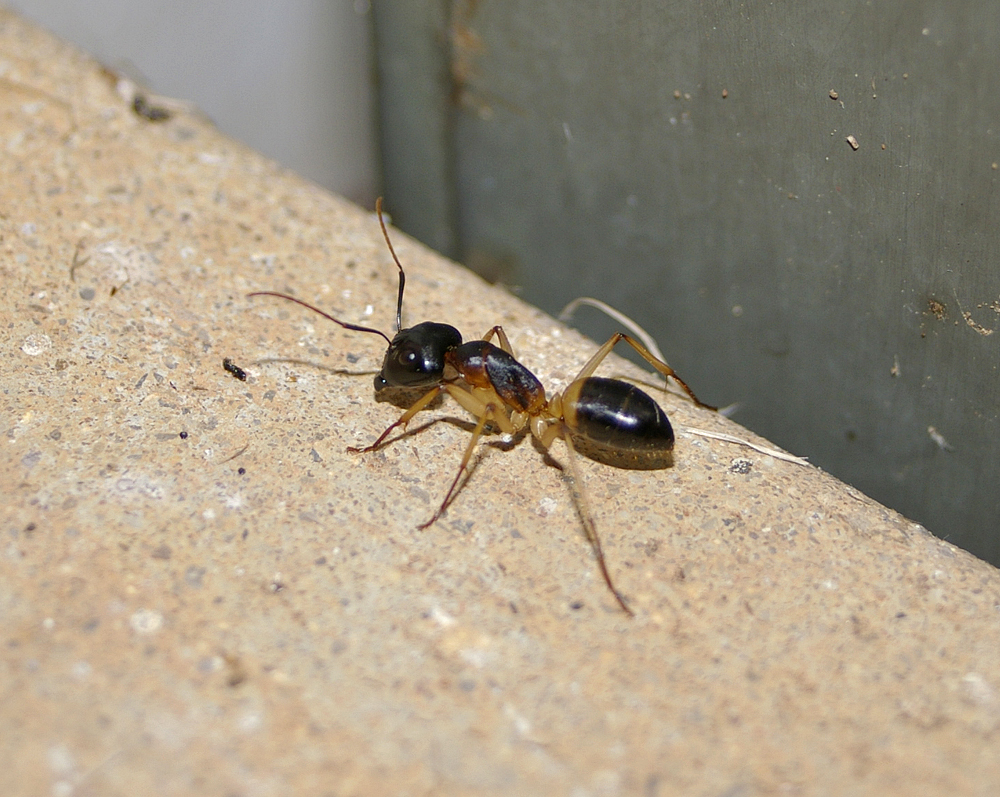

- Color:Black, yellow
- Worker size: 1 centimetre
- Colony size: several thousand
- Queen: 2 centimetres, claustral, polygynous
Introduction
This specific species of Sugar Ants, called Banded Sugar Ants, comes from the genus Camponotus and is a type of Carpenter Ant. Their workers are 10 mm long, while their queens are 2 cm long. These ants are black with yellow patterns on their abdomens and bodies. Outdoors, they often like to nest under rocks. These ants are polygynous with a worker caste comprised of minors and majors. Minors are often the ones who forage for food. They also tend to the brood and the queen. Majors, on the other hand, have swollen heads that contain tons of muscle used for crushing their enemies. They are seen guarding the entrances of the nest or moving large food items.
Unique Traits
Flood Barriers
Some Sugar Ants employ a special tactic when dealing with rain. They build towers over their nest entrances so water won’t get in and flood the nest. If water manages to get in the nest, the ants could be killed. The towers are made of dirt and mud, and building them ensures that the colony is safe from water flooding into nest entrances unless there is a flood.
Defences
These ants have powerful bites used to defend themselves. They also secrete formic acid to stun and damage the enemy. These ants are also highly competitive, and they could be seen sometimes plugging other ant nests’ entrances so they could not get out.
Habitat & Diet
Sugar Ants love eating sugary substances like nectar or honeydew. Banded Sugar Ants also perform tandem running, a process in which one ant follows another very closely. This makes them one of the first ants to arrive at a food source. Usually, a less experienced forager follows a more experienced one. It doesn’t always have to be two ants tandem running. There could be several! To get other ants to tandem run with them. Some of the ants will resort to dragging or carrying them along! They also have repletes, which are like living food storage. The repletes usually just hang around, and at times of food shortage, the repletes regurgitate the food stored in their stomachs to the other ants, so the colony survives.
Sources:
- https://www.youtube.com/watch?app=desktop&v=EZ219dUjzG4&t=188
- https://antsite.eu/en/camponotus-consobrinus-banded-sugar-ant/#:~:text=Description-,Description,suitable%20for%20beginners%20as%20well.
- https://www.youtube.com/watch?v=2dSMU3HNhD0
- https://antastic.com.au/product/ccamponotus-consobrinus-queen-banded-sugar-ant/#:~:text=Reviews%20(19)-,Care%20Level:%20Easy,orange%20stripe%20on%20their%20abdomen.