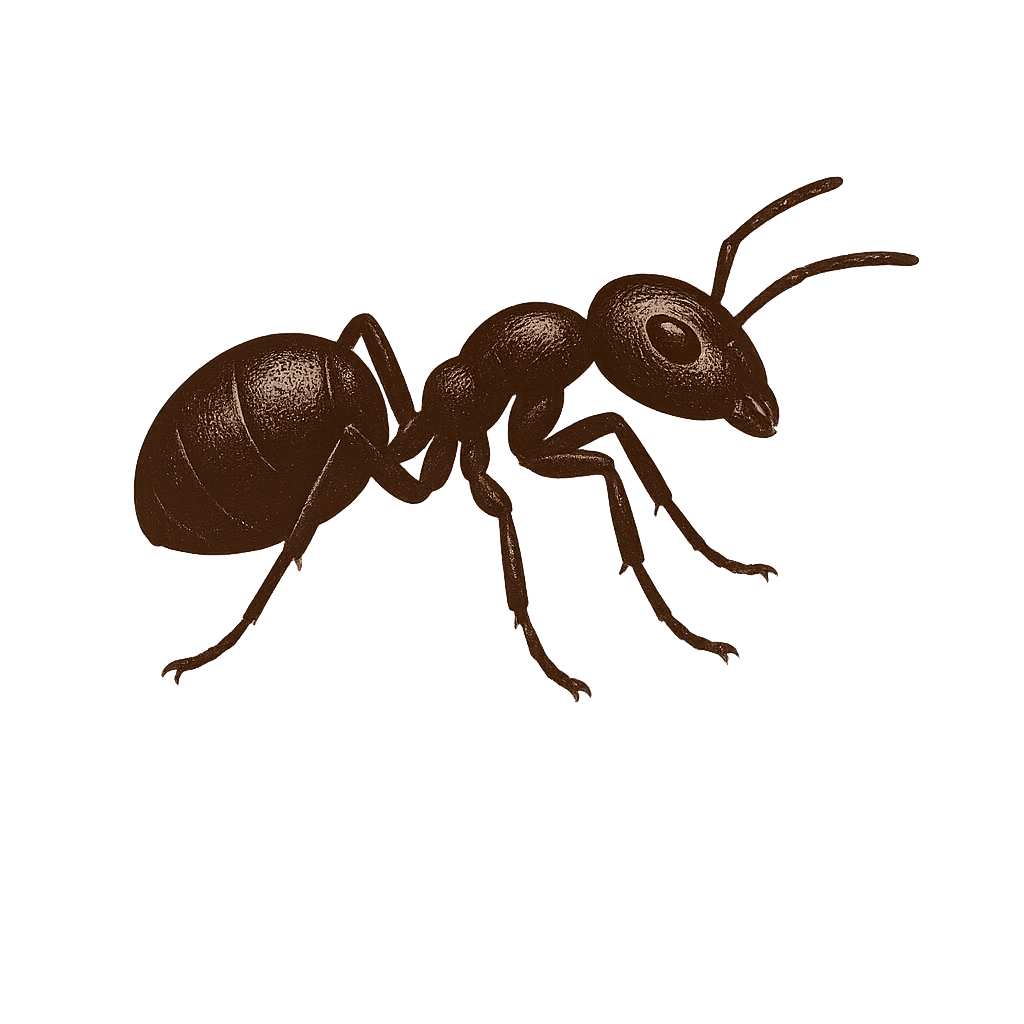
Weaver Ant
Oecophylla smaragdina
.jpg "Oecophylla Smaragdina")
.jpg)
- Color: reddish-brown, sometimes with a vibrant green abdomen
- Worker size: up to 8 millimetres
- Colony size: up to 500,000
- Queen: 20-25 millimetres, claustral, polygyne
Introduction
Weaver Ants adapted incredibly well to their environment. Their workers could reach lengths of 8 mm. They mainly forage for food, build the nest, and defend the colony. Weaver ant minor workers tend to the queen and brood. Weaver Ants are bright green, yellow, and reddish brown. They make their nests using leaves stuck together using silk. It makes a sort of green bowl. Their queens are 20-25 mm long and are greenish-brown.
Unique Traits
Leafy Nests
Weaver Ants like to use broad leaves to make their nest. They use silk produced by their larvae to stick leaves together to make a bowl-like nest. The larvae produce silk through a gland located under their mouth. The silk the larvae produce is very strong, and the ants take one of the larvae to the leaf it wants to stick to. Then, the ant tells the larvae it wants the silk, so the larvae produce them and the ant connects the leaf with the silk. Their nests can be a few centimetres to 10 metres above ground. The queen is located in a central chamber in the heart of the nest.
Defences
Weaver Ants have strong mandibles. This attack pairs up with their formic acid sprays, which intensify pain and are corrosive. Weaver Ants are also very territorial. Their nests are so strong that they can survive certain weather. The structure of the nest also helps, because the nest has multiple entrances and exits that allow for any defence to be quickly mobilized. They often use vines as pathways to get somewhere, further improving the speed of their defence. They will also sound the alarm to defend by knocking on the leaves of their nest, alerting the colony members.
Habitat & Diet
Asian Weaver Ants live in tropical and subtropical places like Southeast Asia and India. These ants mainly eat sweet honeydew and small insects. Weaver Ants have been found in mutualistic relationships with plants. The plants provide them with shelter and honeydew from insects. The tree also provides nectar for the ants. Weaver Ants protect the plant from herbivores that would cause a lot of damage to the plant.
Sources:
- https://www.youtube.com/watch?v=B3QTAgHlwEg
- https://talis-us.com/blogs/news/uncovering-the-secrets-of-the-weaver-ant-nest-a-fascinating-exploration#:~:text=Nest%20Defense%20and%20Security,and%20security%20of%20the%20colony.
- https://antwiki.org/wiki/Oecophylla#:~:text=%E2%80%9CWeaver%20ants%E2%80%9D%2C%20the%20common,;%20Wetterer%202017a%2C%202017b).
- https://www.britannica.com/animal/weaver-ant
- https://www.kijongobayresort.com/blog/post/weaver-ants/#:~:text=Queen.,the%20ants%20within%20that%20colony.
- https://antark.net/ant-species/weaver-ant-oecophylla-smaragdina/#:~:text=Queen,(one%20queen%20per%20colony).